Celebrating Tu B'Shevat: The New Year for the Trees
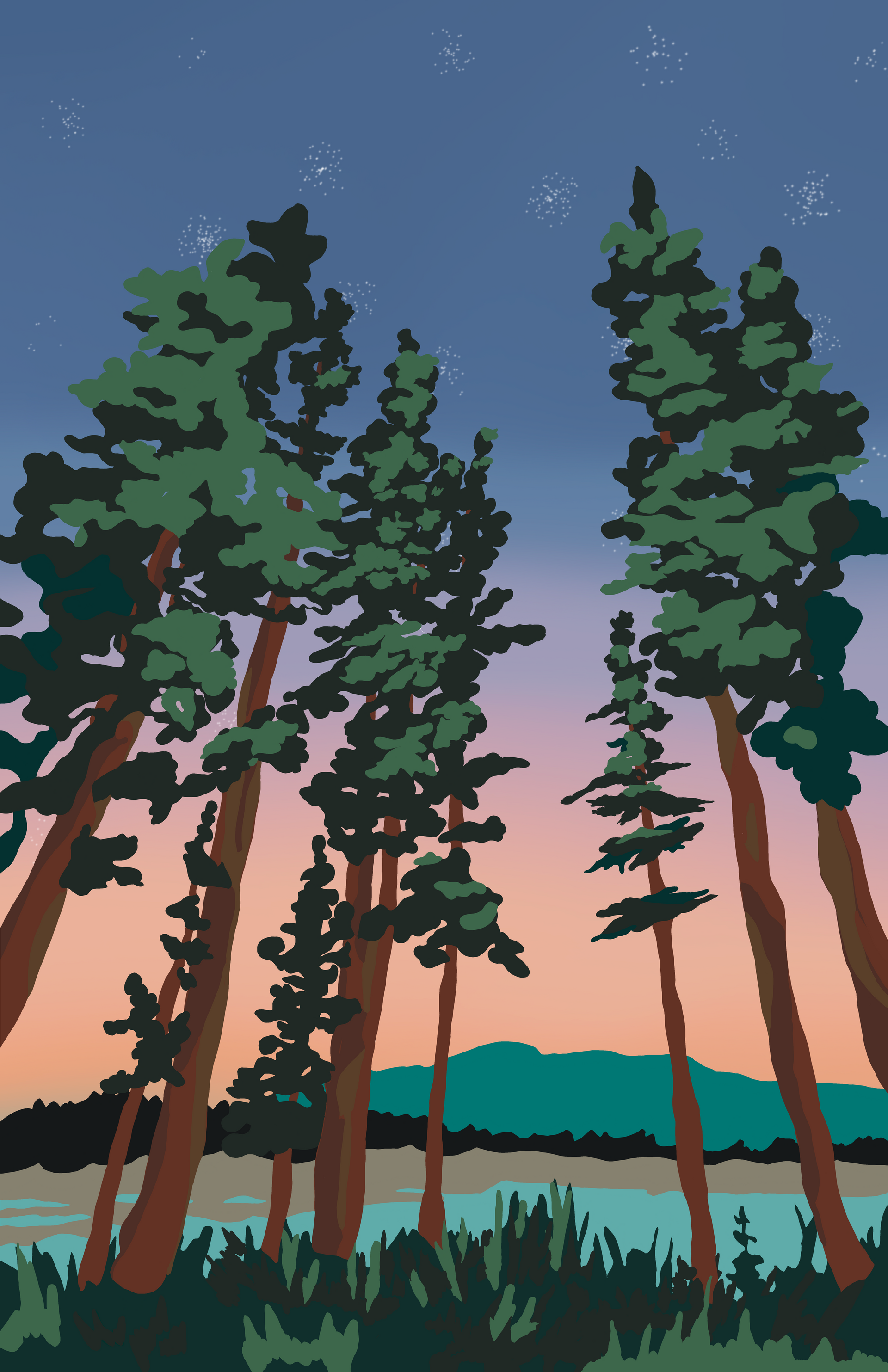
The Jewish National Fund/Keren Kayemeth L’Israel (JNF/KKL) blue box. How many grew up putting tzedakah coins in that blue tin? Or perhaps you received a certificate at your B’Mitzvah announcing: “A tree has been planted in your honor in Israel.” Although JNF was initially created to purchase land (1901) and most recently is trying to deal with preserving and sharing water, it is best known for planting trees, particularly on Tu B’Shvat.
Tu B’Shvat (literally the 15th of the Hebrew month of Shevat) has been called the holiday of the trees, or the trees’ birthday, for centuries. In Israel at that season, the new rains have fallen, new growth has begun, and the trees are ready to return to life. Not so much here in Maine! The connection to planting trees on To B’Shvat seems to have been initiated by Zeev Yavetz in 1892. Yavetz, feeling the need to renew the land, planted trees in Zichron Yaakov with his pupils, and a new tradition was born.
Since that day, millions of trees have been planted in Israel. In fact, at the 2023 UN Climate Change Conference in Glasgow, Israel was highlighted as one of the only nations in the world to enter the 21st century with more trees than it had 100 years ago. Some 250,000,000 have been planted.
I have a favorite tree, one that is not new but central in Jewish literature and history: the olive tree. In Kabbalistic Tu B’Shvat sedarim, it symbolizes the fruits of strength—that is, soft fruits with pits at the center. The olive tree reminds us of the life-sustaining power that emanates from the earth and the spiritual and emotional strength within each of us. The Sages taught: Just as olive oil brings light into the world, so do the people of Israel bring light to the world. (Shir HaShirim Raba 1:2)
Just as Judaism has survived 3,000-plus years, the Al Alwajah olive tree in Beit Lechem is believed to be more than 4,000 years old. Tradition holds that the small grove of olive trees in Gatshemene, just east of the Old City in Jerusalem, is from the time of Jesus (probably they are closer to 1,000 years, but don’t ruin the story with facts!).
All twisted and gnarled, the olive tree is a beautiful symbol of longevity and perseverance.
Enjoy the fruits of your trees!
Rabbi Estrin
Here are a few favorite Tu B’Shvat videos for you to enjoy:
● 100 years of Tu B’Shvat in Israel
● A popular children’s Tu B’Shvat song in Israel
● Naomi Shemer's much beloved song Chorshat Ha-ekaliptus, sung here by Ofira Gluska