Gabay sa Maine ng mga Hudyo
Dahil sa napakaraming pagpipilian, maaaring mahirap malaman kung saan magsisimula! Kaya naman nilikha namin ang Gabay sa mga Hudyo sa Maine - upang matulungan kang makahanap ng mga organisasyon, programa, at impormasyon tungkol sa kapaskuhan ng mga Hudyo na maaaring gumabay sa iyo sa iyong landas tungo sa pakikipag-ugnayan sa iyong komunidad.
Not yet listed? If you would like to be included, please click the button below!
Mga Kongregasyon
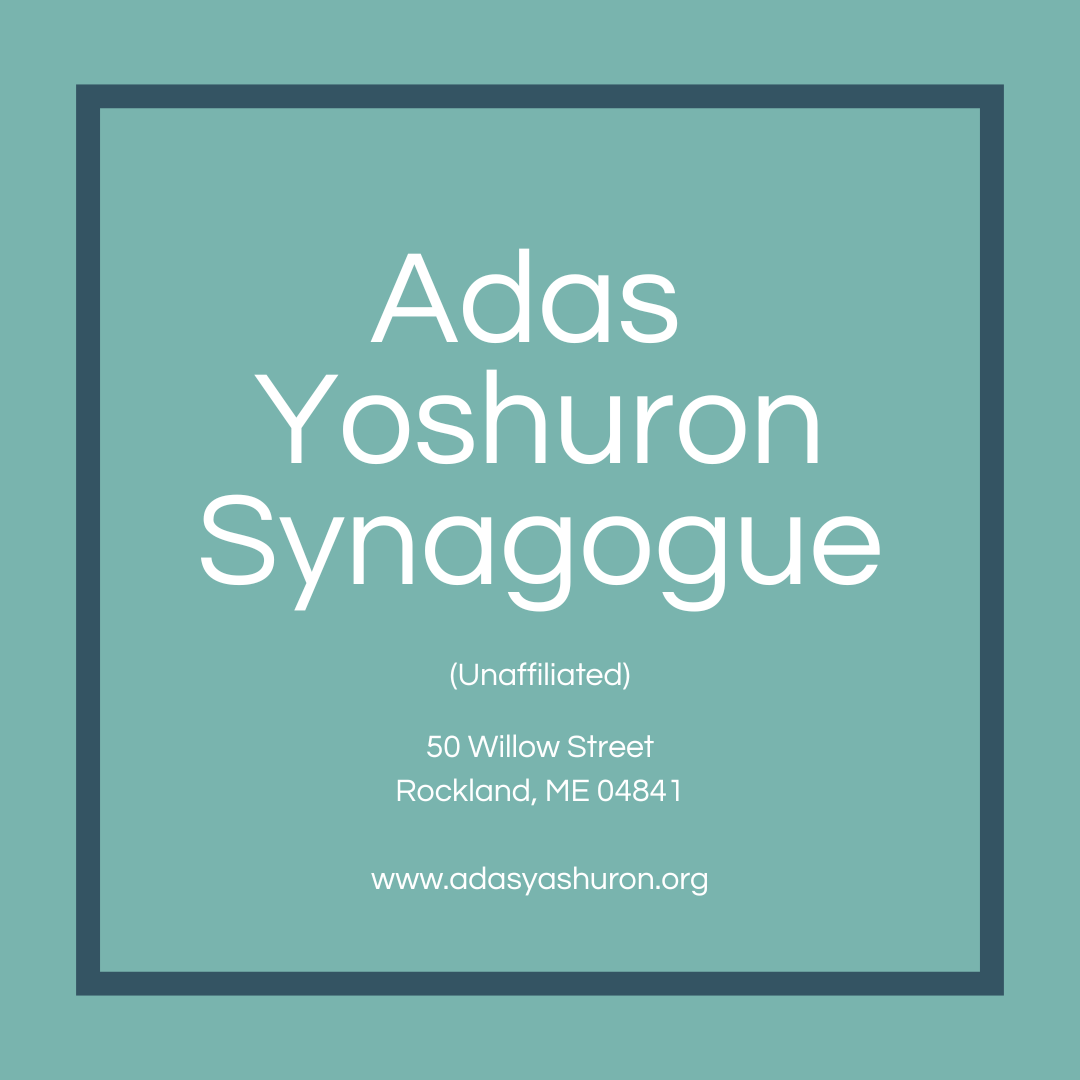
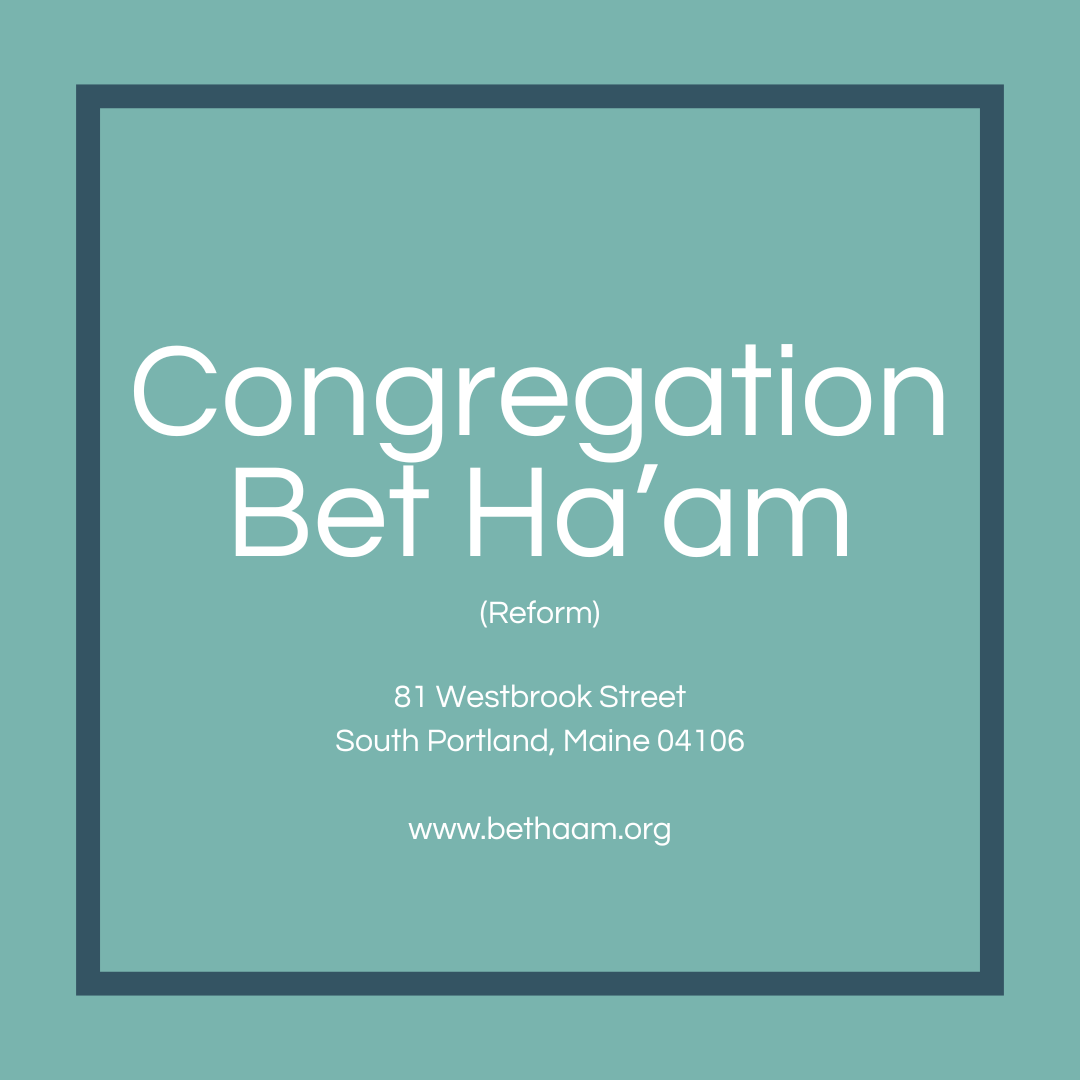
Congregation Bet Ha’am is the spiritual home of an active, growing Reform Jewish community in South Portland. With over 300 member households, more than 80 Religious School students from preschool to high school, weekly Shabbat worship and Torah study, and monthly opportunities to engage in Jewish life, Bet Ha’am plays a significant role in Southern Maine. From the start, its focus has been fostering connection through an open, caring, energetic community, including many Jews by Choice and LGBTQ+ Jews.
Rabbi: Jared H. Saks | 207-899-0028 www.bethaam.org
Chabad is an Orthodox Hasidic organization, named for the Hebrew acronym for chochmah (wisdom), binah (comprehension), and da’at (knowledge). Its philosophy teaches understanding of the Creator, the purpose of creation, and the unique mission of each individual. Chabad of Maine strives to provide a welcoming Jewish home for everyone, offering religious services, holiday programming, summer camp, and other programs that nurture connection, learning, and participation in Jewish life within a supportive, inclusive community.
Rabbi: Moshe Wilansky | 207-871-8947 www.chabadofmaine.com
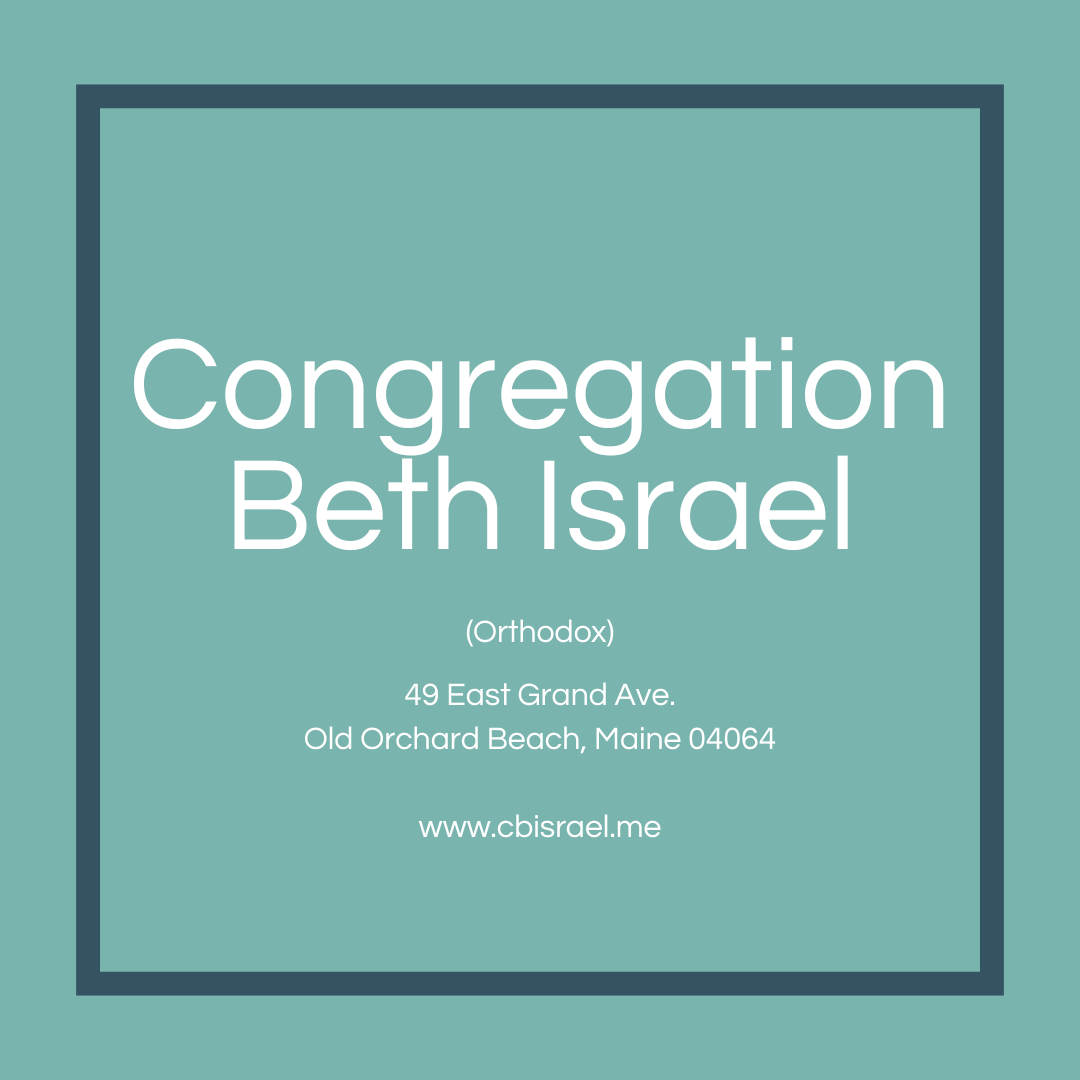
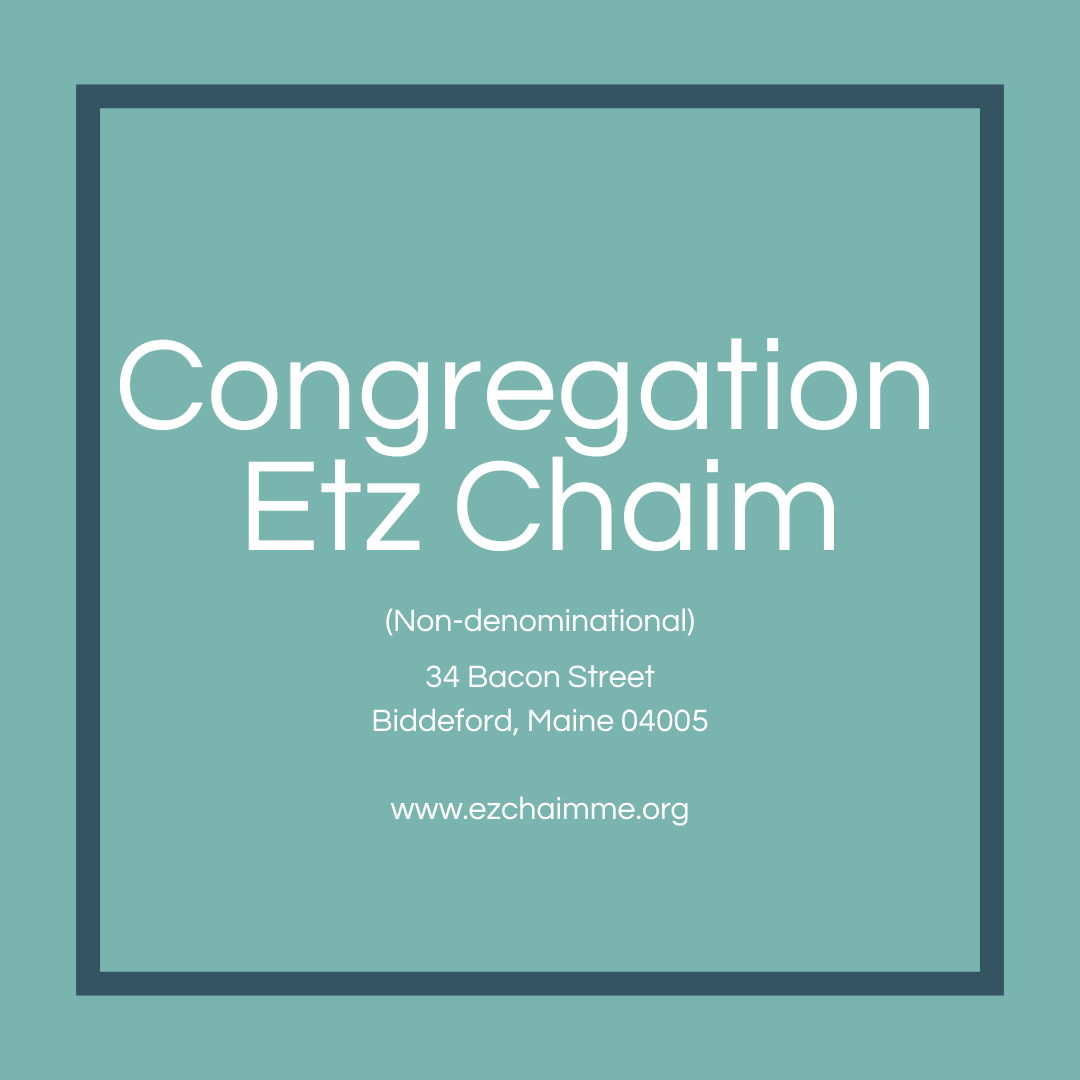
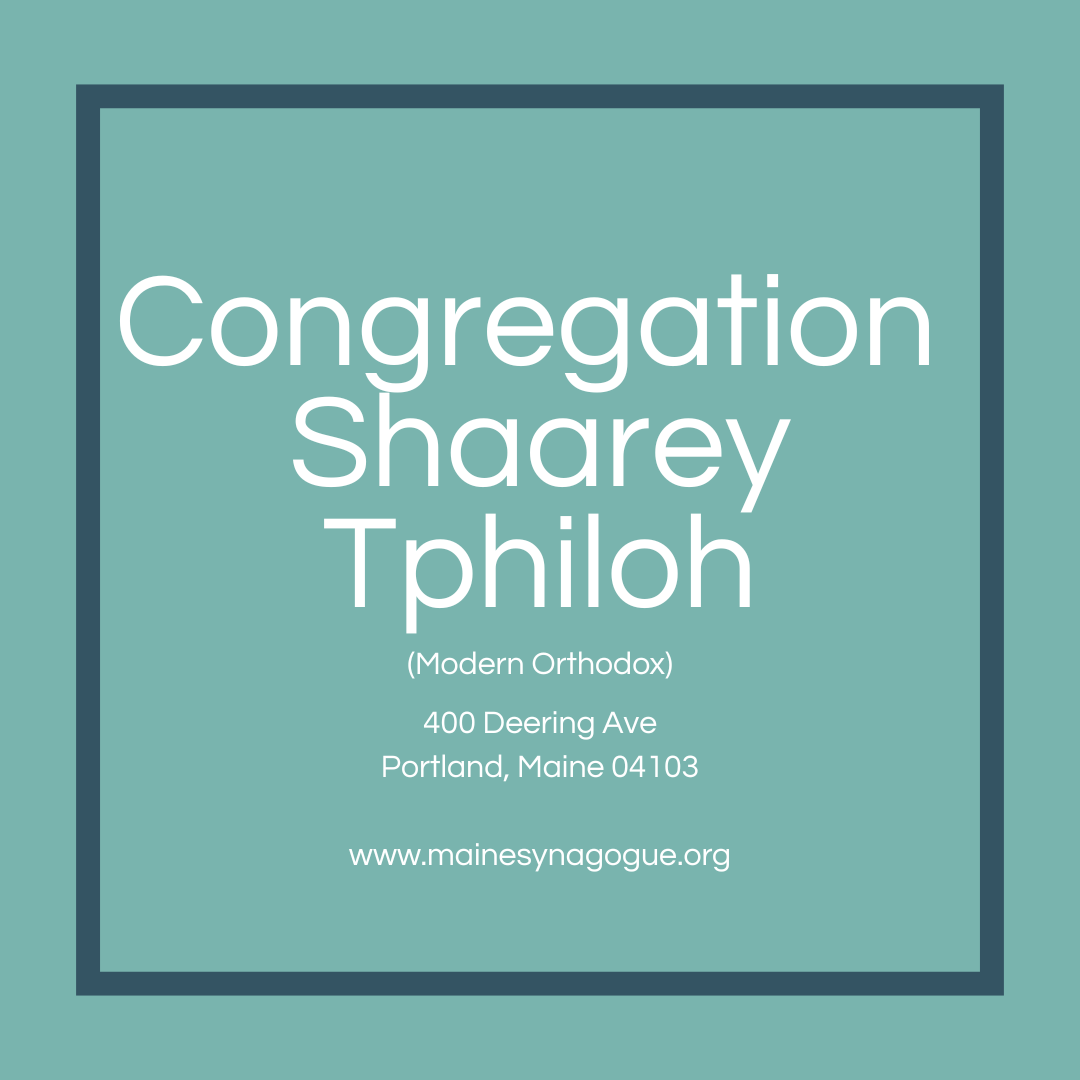
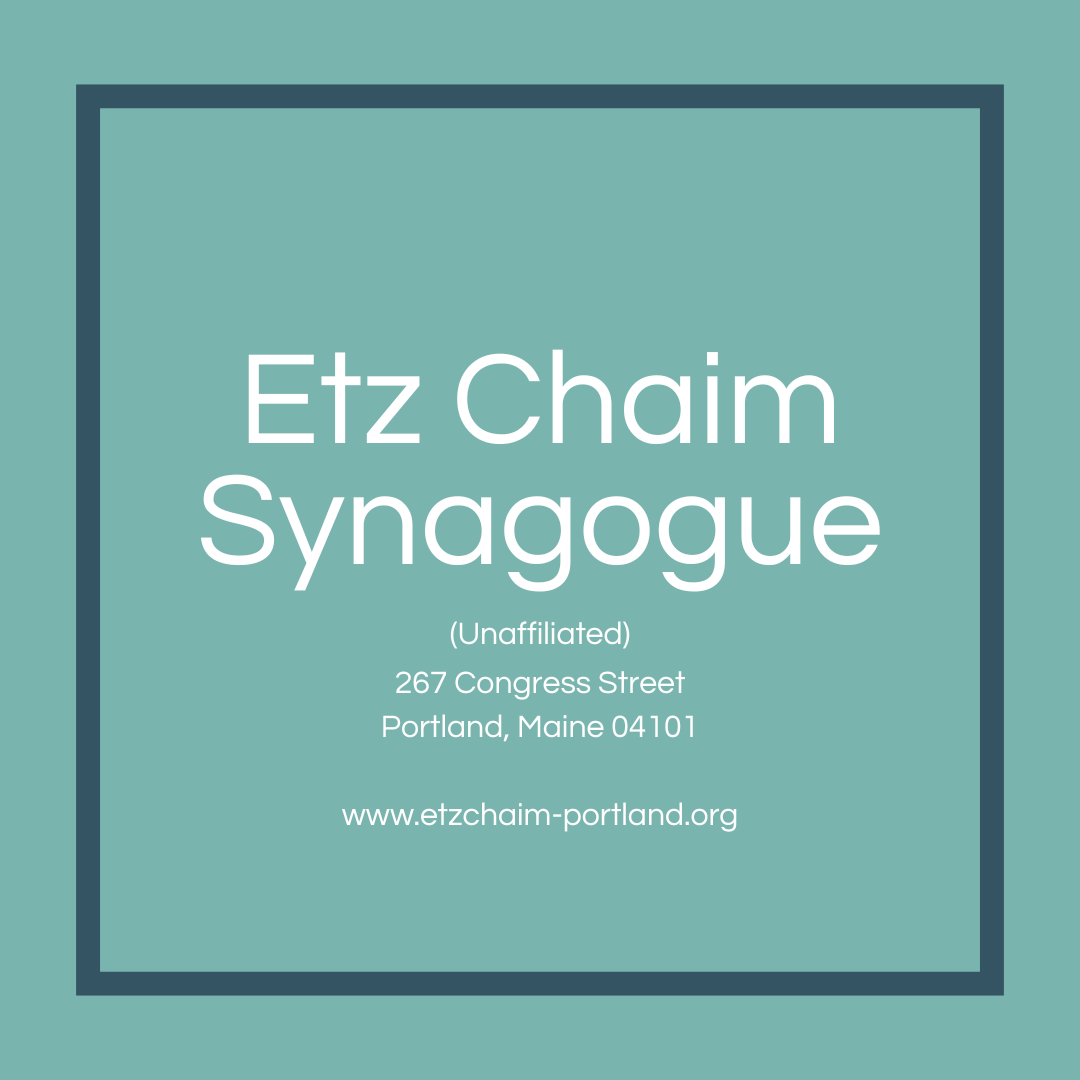
Mga Organisasyon

Mga Mapagkukunan

Edukasyon



Gabay sa Piyesta Opisyal ng mga Hudyo

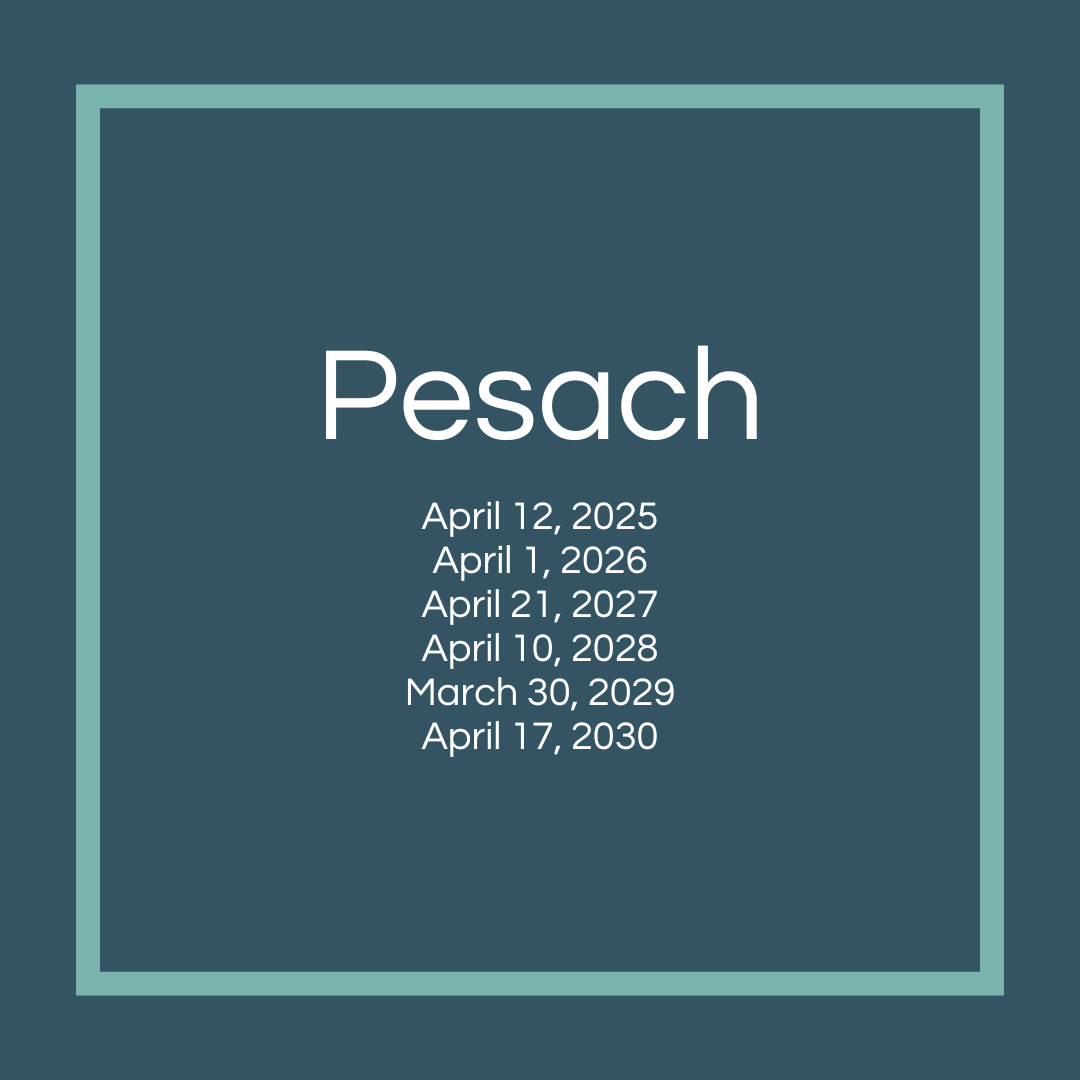

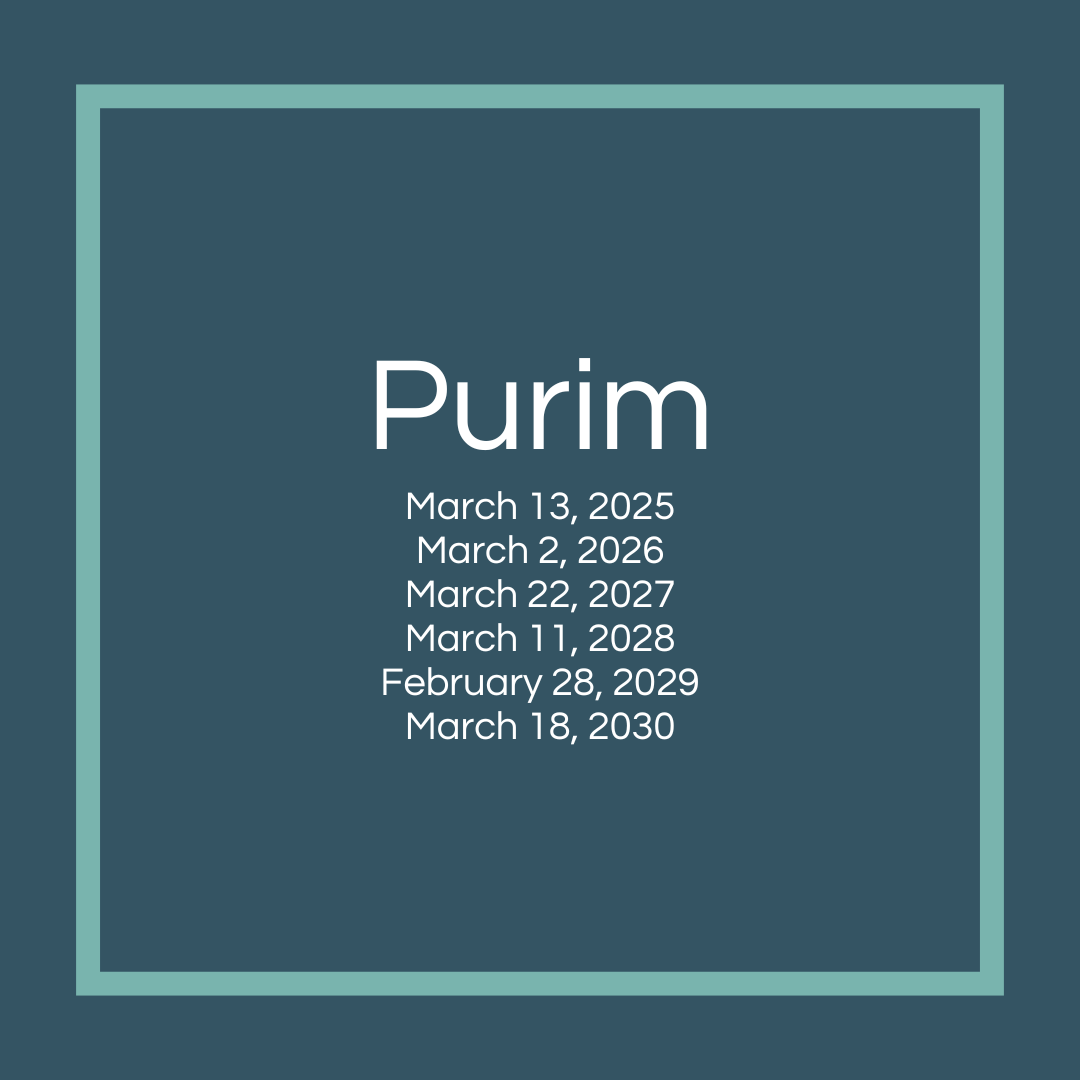
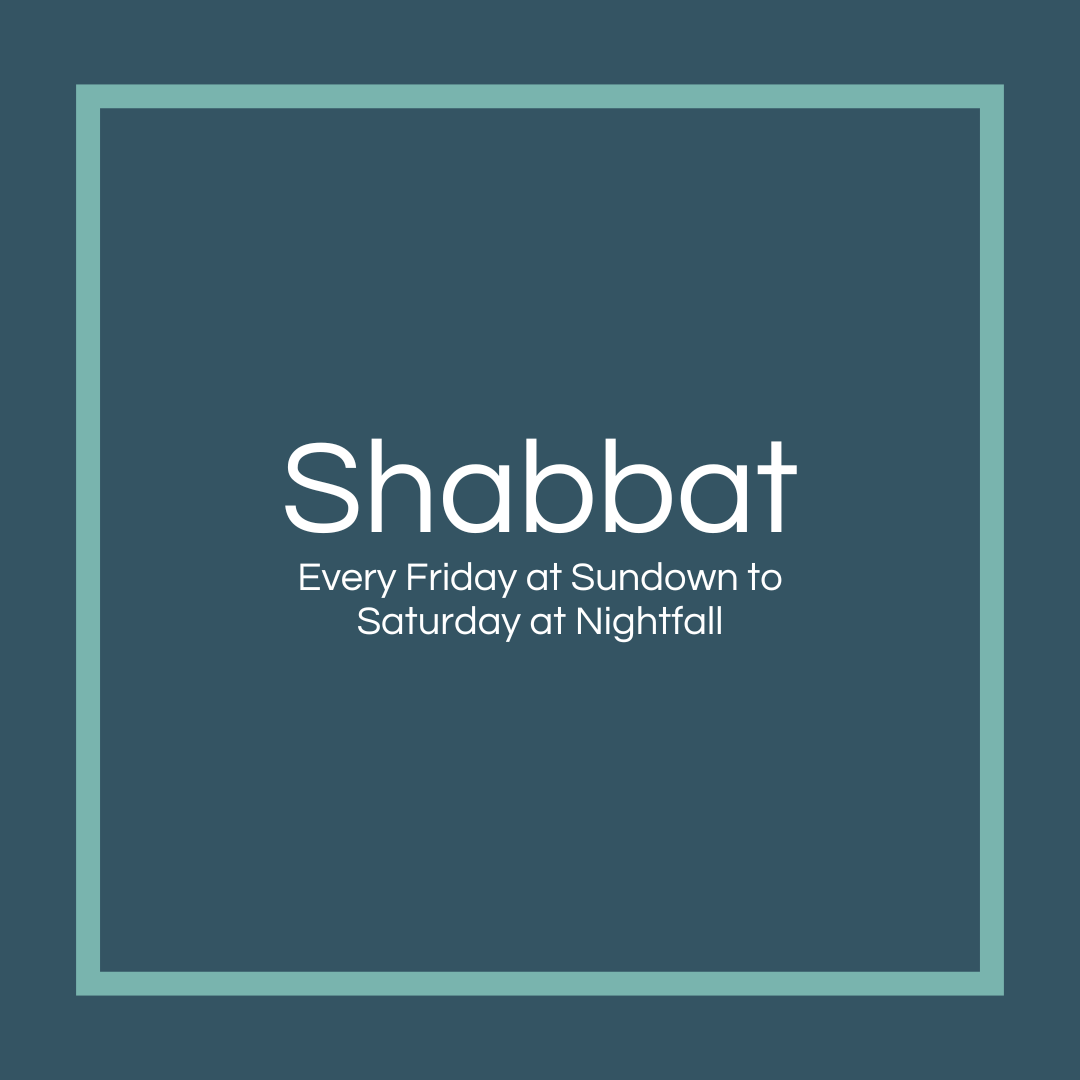
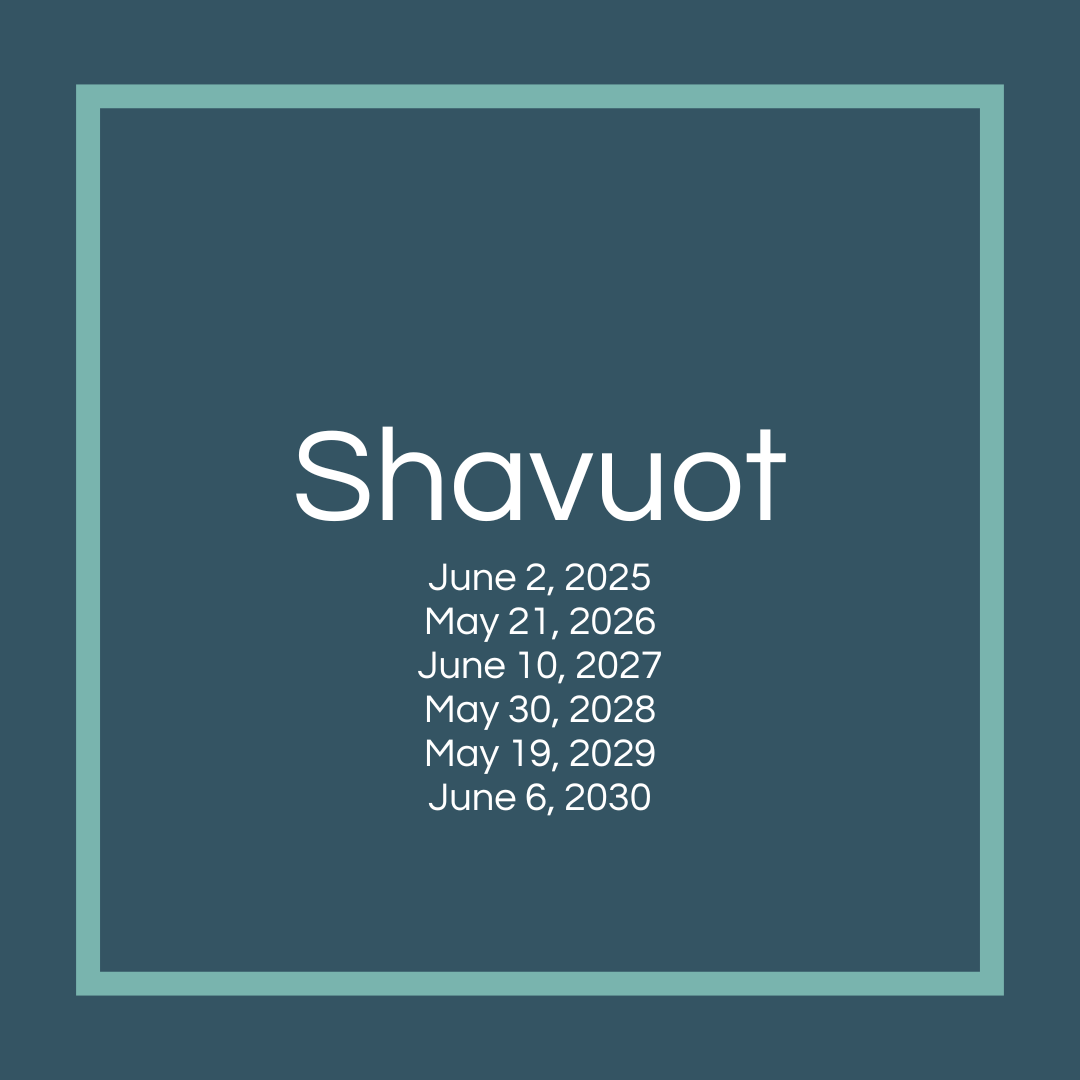
Hebrew name means “Weeks” because it was traditional to count the weeks between Passover and Shavuot.
What’s it about? Shavuot celebrates the giving of the Torah at Mt. Sinai. It was a pilgrimage holiday when the Temple was standing in Jerusalem, when farmers brought the first fruits of their four-year-old trees. It’s a one day holiday in the land of Israel and in the Reform tradition; Orthodox and Conservative Jews in the diaspora keep it for two days.
Foods: Dairy foods are traditional on Shavuot, like blintzes and cheesecake.
Activities: One of the traditional texts for Shavuot is the Book of Ruth. Reform Judaism therefore chose Shavuot as the holiday on which to hold Confirmation ceremonies, when teenagers reaffirm their Jewish beliefs. Some follow the mystical custom of an all-night study session, called a Tikkun Leil Shavuot, on the eve of Shavuot.
Symbols: Tablets, blintzes. Greeting: “Chag Sameah” or “Happy Holiday.”
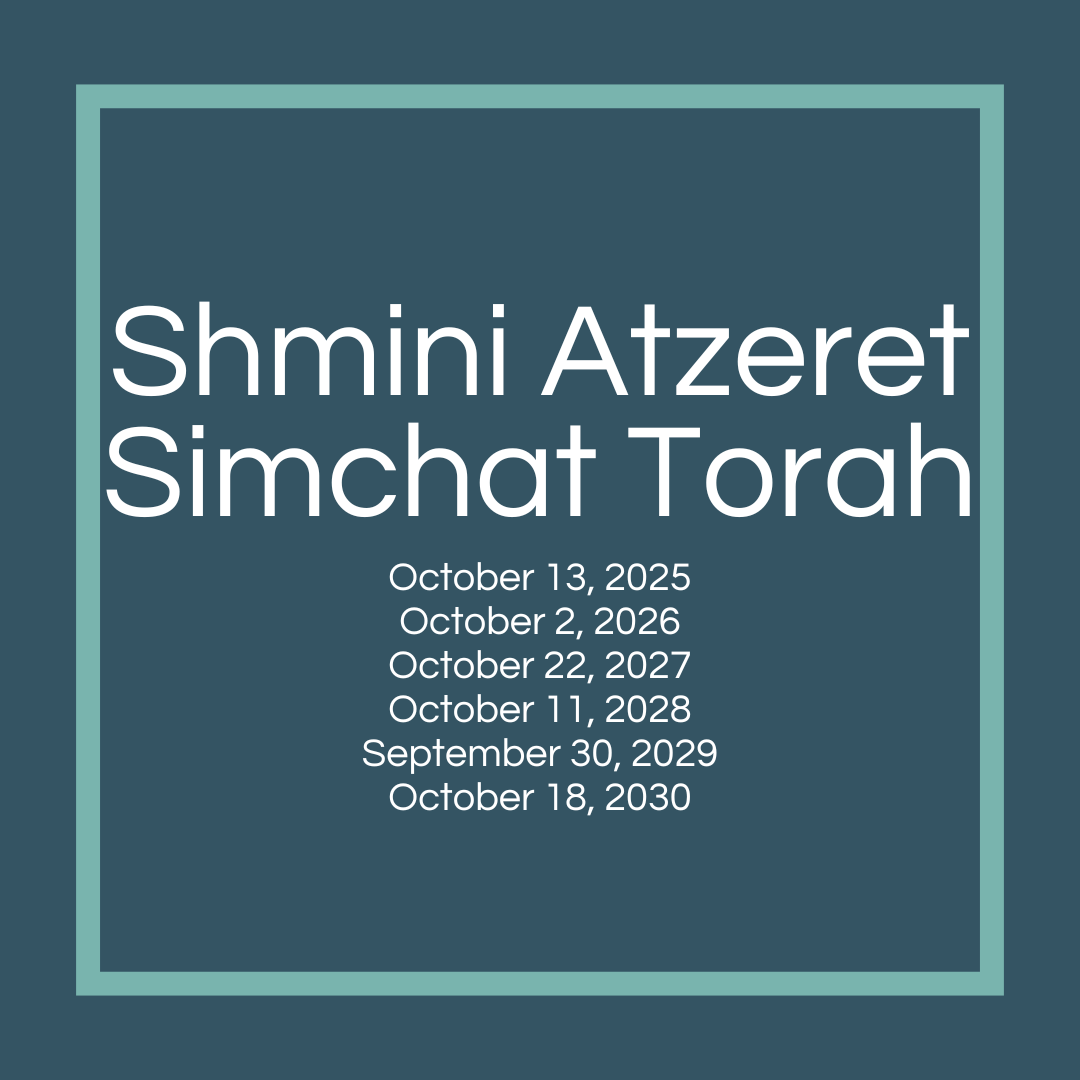
Hebrew name means the eighth day, or extra day following Sukkot/Hebrew
name means “Rejoicing in the Torah.”
What’s it about? Celebrated on the same day in Israel and by US Reform groups, and as two days in Conservative and Orthodox communities in the diaspora. We celebrate finishing the reading of the Torah for the year and starting it again.
Foods: More big sumptuous meals.
Activities: This is a synagogue holiday with a long service, and in the middle of it, people get up, process through their building with the Torah scrolls and dance with them. It is a chance to honor people by calling them up to make blessings on the Torah, because there is a reading from the end of the croll—the death of Moses—and another from the beginning–the creation of the world. In some congregations, the assembled people unroll the Torah scroll and stand in the middle of the parchment before they start the cycle again.
Symbols: The Torah scroll, flags that children carry, dancing people.
Greeting: “Chag Sameah” or “Happy Holiday!”
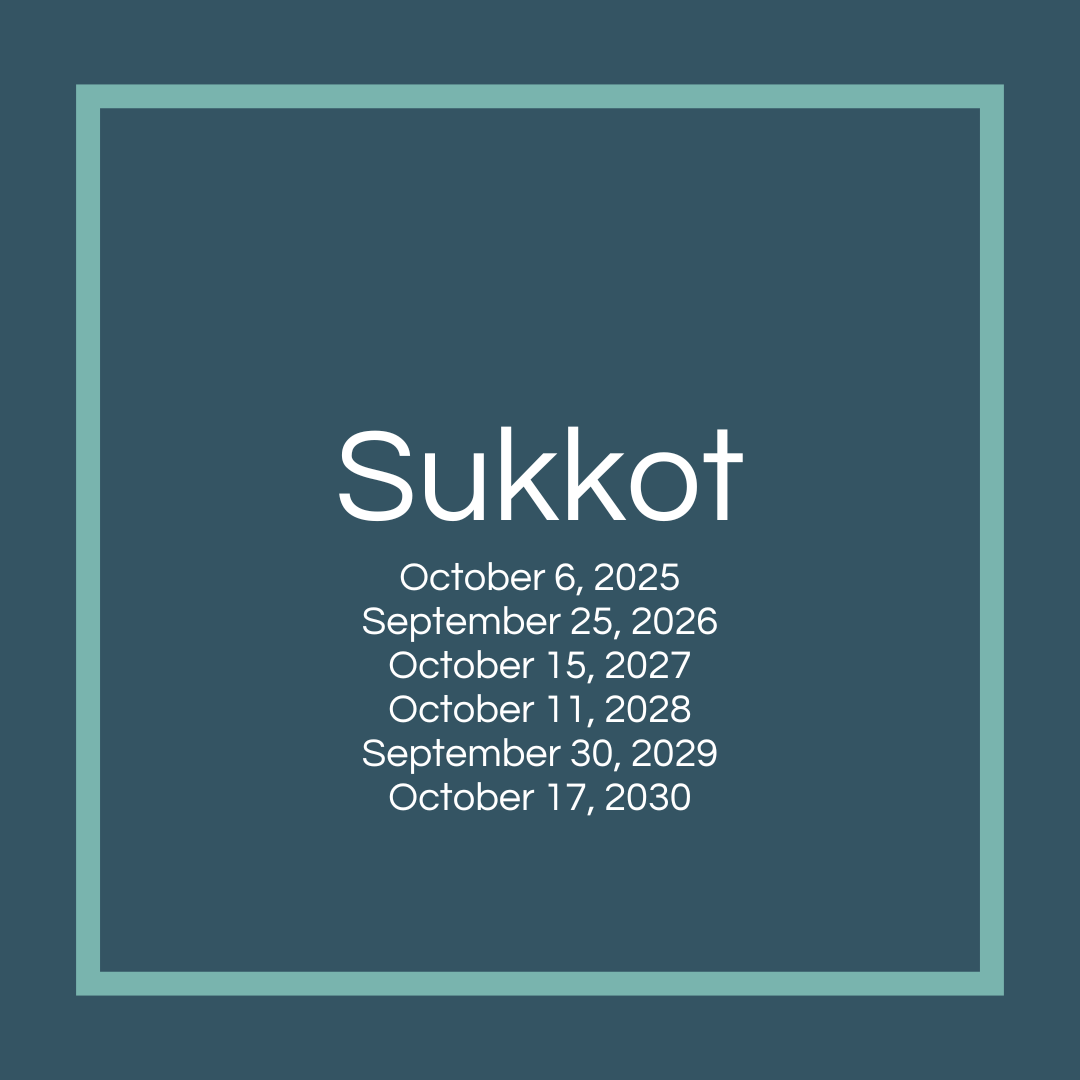
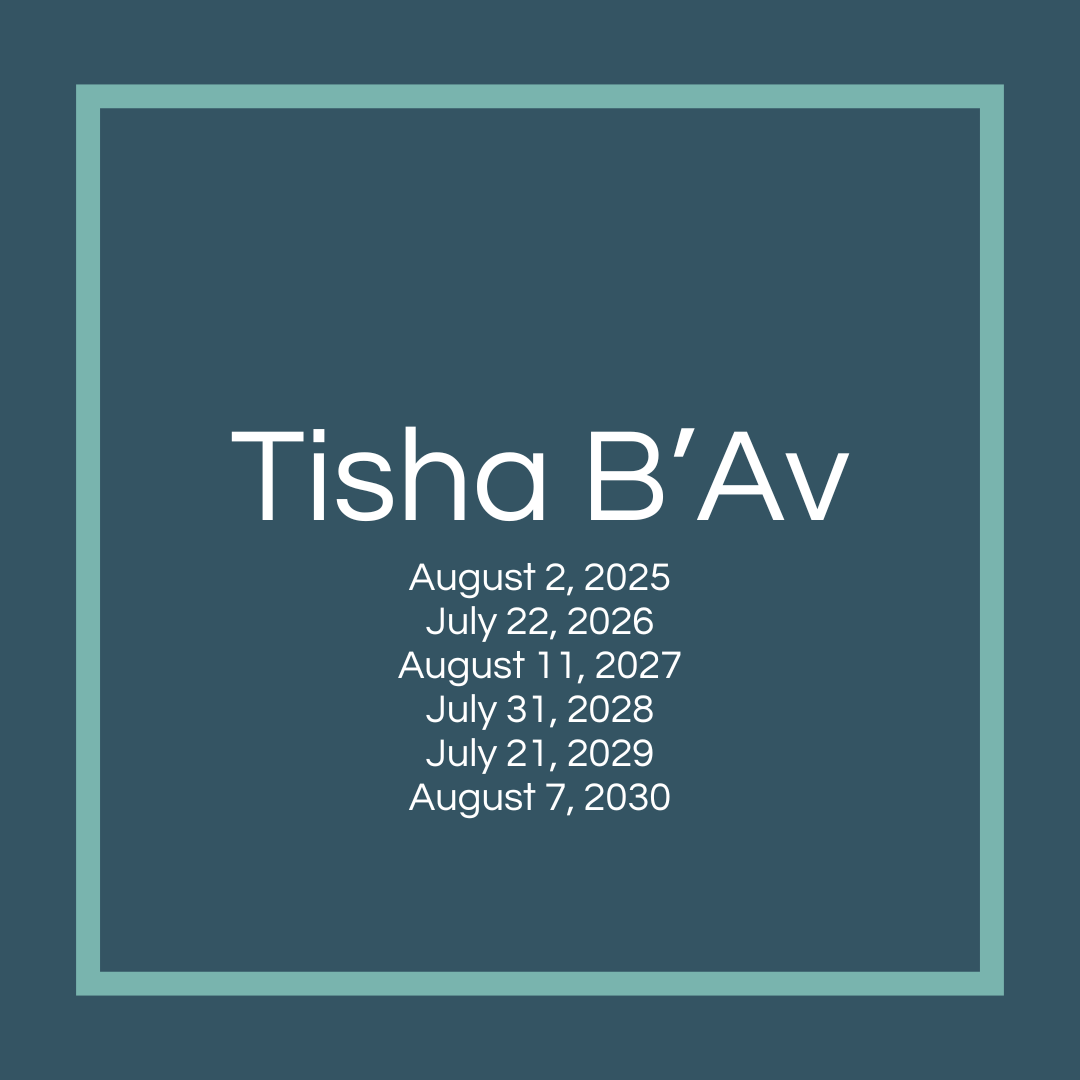
Hebrew name means “Ninth day of the Hebrew month of Av”. What’s it about? This fast day commemorates the Roman destruction of the Second Temple in Jerusalem in 70 CE. In the medieval period, Jews began attaching other calamities to the day, including the expulsion from Spain in 492.
Foods: A fast day with no food or later.
Activities: Though this is a major fast day with no food, water or washing, it is a minor holiday in the sense that there is no requirement to abstain from work. The main activity is the chanting of the Book of Lamentations by candlelight in the synagogue, during which it is traditional to sit on the floor.